Is it enough to bring the report, or do you also need to see my brain images?
Bring both: the report provides a summary, but the original images let the specialist measure and compare. What format to request them in and how to organize them.
By Dr. Martin Roberto Casas MartínezSep 28, 20266 min read
In this article
- What is the difference between the report and the images?
- Why does the specialist want to see the images if I already have the report?
- What format are the images in, and how do I request them?
- How should I organize the studies and documents before the appointment?
- Should I confirm which formats the office accepts?
- Frequently asked questions
- What should I ask at the consultation?
- References
Summary: Bring both. The written report summarizes what the radiologist observed and provides context, but the original study images (on a disc or in a digital file) allow the specialist to review the lesion directly, measure it, and compare it with prior studies. For a scheduled neurovascular assessment, the report and images complement each other; if symptoms come on suddenly, call 911.
When arranging a scheduled assessment, many people wonder whether bringing the report is enough or whether they also need their brain images. This guide explains the difference between the written report and the original images, what format to request, and how to organize them. If you are experiencing a sudden, severe headache, weakness on one side of the body, difficulty speaking, or altered consciousness right now, call 911 first.
What is the difference between the report and the images?
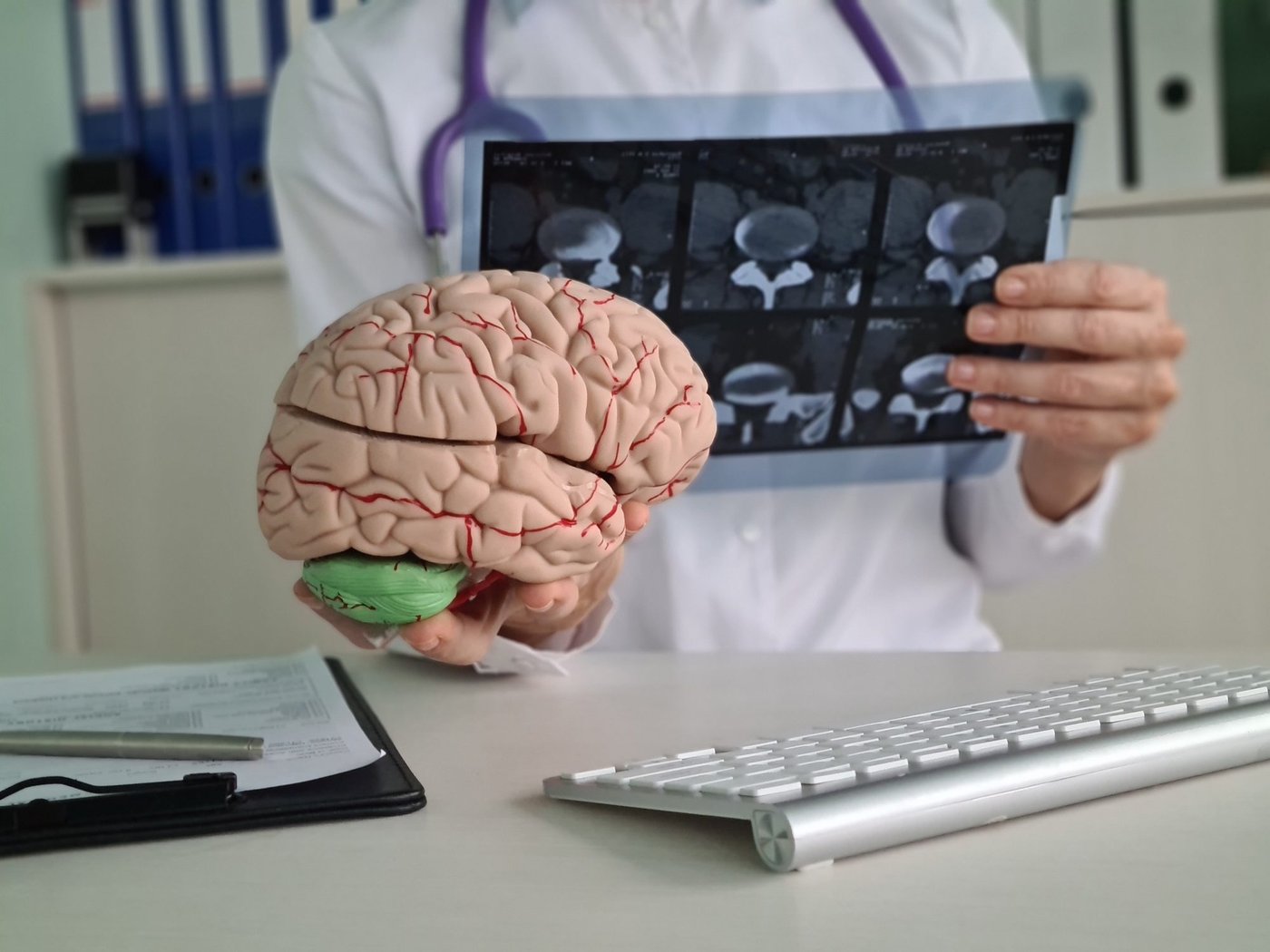
The report (or radiology report) is the written document in which the radiologist describes what they observed, their findings, and sometimes recommendations. The original images are the files containing the actual study images; the report summarizes them, while the images are the primary source.
According to RadiologyInfo, the report is written for the doctor who ordered the study, so it uses technical terminology and includes sections such as exam type, history, technique, findings, and observations. It is a valuable document for context, and the specialist who reviews it later can also use it.
The images, on the other hand, let the specialist evaluating you see directly what the equipment recorded, using their own clinical judgment. This is especially useful when assessing vascular structures such as aneurysms or malformations.
Why does the specialist want to see the images if I already have the report?
Because the images let the specialist measure the lesion, observe its shape and its relationship to nearby arteries, and compare it with previous studies. RadiologyInfo notes that having previous images can change recommendations because they make it possible to determine whether a finding is unchanged or something new has appeared.

A report may be brief or may not describe details that matter for a neurovascular decision, such as an aneurysm’s neck or the drainage of a malformation. The specialist can use the images to fill in that information and decide whether another study is needed or whether the available information is enough to guide a plan.
What format are the images in, and how do I request them?
Ask the center where the study was performed for the images in digital format, preferably DICOM (the standard format for diagnostic medical images), on a disc or through a download link. A paper printout or screenshot has limited resolution and does not allow the same level of review.
When you pick them up, ask whether the disc includes a viewer for opening the images or whether you need a separate program. If the study is old or the disc no longer works, request a copy from the same center; how long they keep files varies, so it’s best to ask them directly. Keep the disc protected from scratches and heat.
How should I organize the studies and documents before the appointment?
Arrange the studies from oldest to newest and, for each one, gather the written report, images, date, and name of the center. Bring all types of studies you have (CT, MRI, angiography): they provide complementary information, and the specialist will decide which are relevant.
Add summaries of related hospital stays or prior procedures, recent lab results, a list of your current medications (do not change any of them on your own), and notes about your symptoms: when they began, how they have changed, and what makes them better or worse. Writing down questions can help you make the most of your appointment.
Should I confirm which formats the office accepts?
Yes. Not all offices have the same viewing equipment, so before your appointment, ask the care team whether they accept discs or digital files, whether there are any formats they can’t open, and whether it’s best to provide the images in advance or on the day of your appointment.

Checking in advance helps prevent you from arriving with materials that can’t be reviewed and having to reschedule. One additional precaution: your images and reports contain personal health information; share them only through the channels the care team specifies.
Frequently asked questions
Can I use a phone photo of the report or screen?
It may help as a temporary reference, but it does not replace the original file: a photo has limited resolution, does not allow the specialist to measure or scroll through the study slices, and may omit information. Request the complete digital copy from the center where the study was performed.
Can I upload my images to an AI tool to have it explain them?
This is not recommended for identifiable images or reports because they contain personal health information, and a neurovascular study should be interpreted by a specialist who has your complete medical history. Write down any terms you don’t understand and ask about them at your appointment.
What if I can’t retrieve an old study?
Mention it at your appointment. Bring what you have, including the written report if that is all you still have, and the specialist will decide whether the available information is sufficient or whether a new study would be appropriate for the assessment.
What should I ask at the consultation?
If symptoms come on suddenly, call 911 first. If you are arranging a scheduled assessment, these questions may help:
- •Were you able to review all the images I brought, or do you need another or more recent study?
- •Does what the report describes match what you see in the images?
- •If a new study is needed, which one would provide the most useful information for my case?
- •What signs should I watch for between appointments, and when should I call 911?
For non-urgent questions or to request an individual assessment, you can contact the office.
Informational notice: This content is for informational purposes and does not replace a medical consultation or constitute a diagnosis.
References
- •
- •


