Can a young person have a stroke?
Yes—a stroke can happen at any age. Learn the R.Á.P.I.D.O. warning signs, why to call 911, and how doctors look for the cause in the hospital.
By Dr. Martin Roberto Casas MartínezSep 22, 20265 min read
In this article
- Why shouldn’t a stroke be ruled out just because someone is young?
- What is an ischemic stroke, and why does time matter?
- What signs should prompt you to call 911 at any age?
- What if the symptoms go away on their own?
- How is the cause investigated at the hospital?
- Frequently asked questions
- What should you ask the treating team?
- References
Summary: Yes. A young person can have a stroke: the American Stroke Association notes that a stroke can happen to anyone, at any age. If sudden symptoms occur, such as facial drooping, weakness on one side, trouble speaking, or vision loss, call 911 immediately without waiting to see if they go away.
Believing that a young person can’t have a stroke can delay care at the very moment when time matters most. Here’s how to recognize the signs at any age and what happens at the hospital to find the cause.
If you or someone near you is experiencing sudden symptoms now, stop reading and call 911.
Why shouldn’t a stroke be ruled out just because someone is young?
A stroke can happen at any age, including in young adults, and the idea of being “too young” can lead people to wait or minimize symptoms. That delay can reduce the available treatment options.
The American Stroke Association states that a stroke can happen to anyone, at any time. The cause may vary from person to person, but the immediate effect is the same: an area of the brain stops receiving blood. You don't need to know the cause to act; you just need to recognize the sign and get help.
What is an ischemic stroke, and why does time matter?
A cerebral infarction, or ischemic cerebrovascular event (EVC), occurs when a clot blocks a blood vessel that carries blood to the brain. According to MedlinePlus, without this blood flow, brain cells begin to die within minutes.

There is also hemorrhagic stroke, caused by a blood vessel that ruptures and bleeds. Both types are emergencies and can cause similar symptoms at first; only imaging tests at the hospital can tell them apart. The American Stroke Association explains that emergency treatments may be available depending on how much time has passed since symptoms began: getting there sooner expands the options.
What signs should prompt you to call 911 at any age?
Any sudden neurological symptom is reason to call 911, regardless of age. The American Stroke Association uses the acronym R.Á.P.I.D.O. to identify the most common signs of a stroke.
- •R, drooping face: one side of the face droops or looks crooked when smiling.
- •Á, loss of balance: sudden difficulty walking or standing.
- •P, loss of strength: weakness or numbness in an arm or leg, especially on one side.
- •I, vision problems: sudden trouble seeing with one or both eyes.
- •D, difficulty speaking: slurred speech or trouble understanding.
- •O, get help: call 911 immediately.
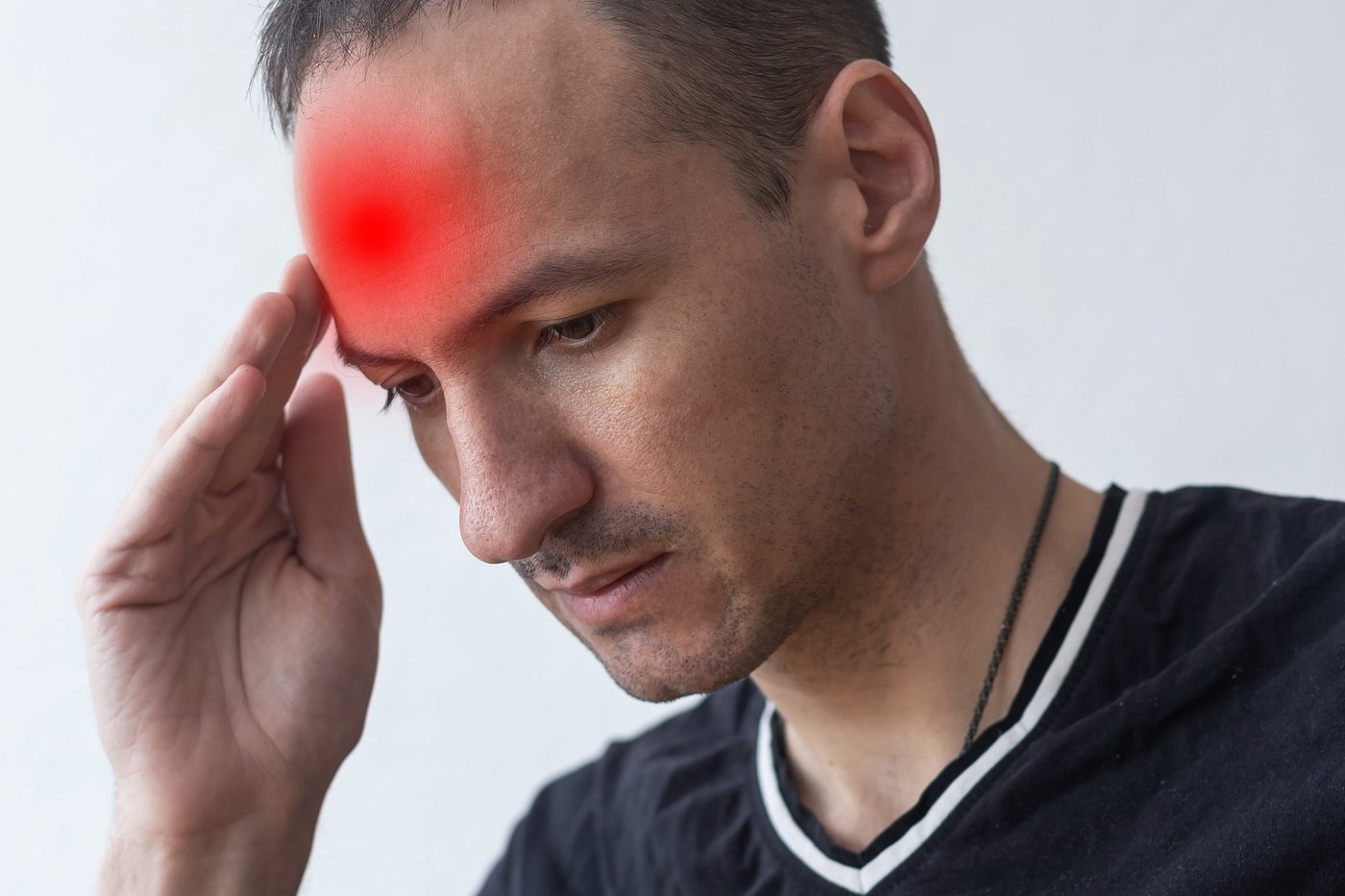
A very severe headache with no known cause or confusion may also come on suddenly. Note the time the symptoms began.
What if the symptoms go away on their own?
Even if the symptoms subside, call 911 or go to the emergency department. It may be a transient ischemic attack (TIA), which the American Stroke Association says causes the same symptoms as a stroke and is a warning sign.
A TIA, sometimes called a “mini-stroke,” happens when blood flow is interrupted for a short time. Feeling better does not rule out danger: urgent evaluation is needed to find the cause and prevent a stroke. In a young person, attributing the episode to fatigue, stress, or a migraine without a medical assessment can delay that evaluation.
How is the cause investigated at the hospital?
In the emergency department, the team first confirms the type of event with brain imaging and then looks for the cause. MedlinePlus states that diagnosis includes a neurological exam and may require brain imaging and heart tests.

A CT scan or MRI shows whether there is a blockage or bleeding. An electrocardiogram or echocardiogram (heart ultrasound) can help look for sources of clots, and blood tests check for contributing factors. Depending on the case, the team may expand the investigation with other tests. That investigation takes place at the hospital; it should not be completed before getting there.
Frequently asked questions
Can a severe headache in a young person be a stroke?
It can be, especially if it is sudden, very severe, and has no known cause, or if it is accompanied by weakness, confusion, or vision or speech problems. If this happens, call 911; the cause will be determined at the hospital.
Is it better to take the person to the hospital in a private car?
It’s best to call 911 and request an ambulance: according to the CDC, medical personnel can begin care during transport this way. While help is on the way, note the time the symptoms began.
Do risk factors matter in young people, too?
Yes. High blood pressure, smoking, diabetes, or high cholesterol can be present at any age. The care team reviews these along with other possible causes to plan how to prevent another event.
What should you ask the treating team?
If symptoms come on suddenly, call 911 first. If your young family member is already in the hospital, these questions can help you understand the diagnosis and next steps:
- •What type of stroke did they have, and what did the imaging studies show?
- •What tests have been done, or are still needed, to find the cause?
- •What changes should I report right away, and when does the rehabilitation evaluation begin?
For non-urgent questions or to request an individual assessment, you can contact the office.
Informational notice: This content is for informational purposes and does not replace a medical consultation or constitute a diagnosis.
References
- •
- •
- •
- •
- •


